How Does a Human Hair Manufacturer Ensure Premium Quality?
The quality of hair extensions, wigs, and hairpieces largely depends on the expertise of the human hair manufacturer. From sourcing raw hair to processing and packaging finished products, manufacturers play a vital role in delivering premium hair solutions to salons, wholesalers, retailers, and beauty brands worldwide.
Understanding how a human hair manufacturer operates can help businesses choose the right supplier and ensure customer satisfaction.
What Does a Human Hair Manufacturer Do?
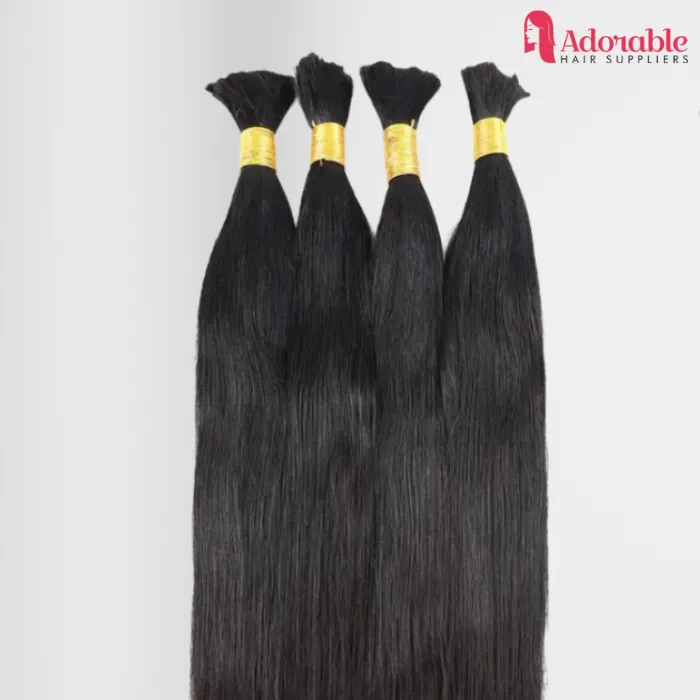
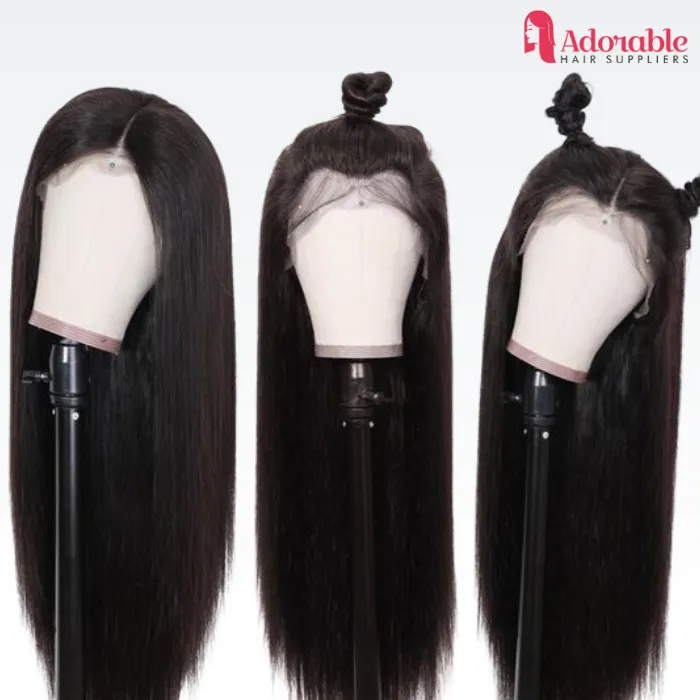
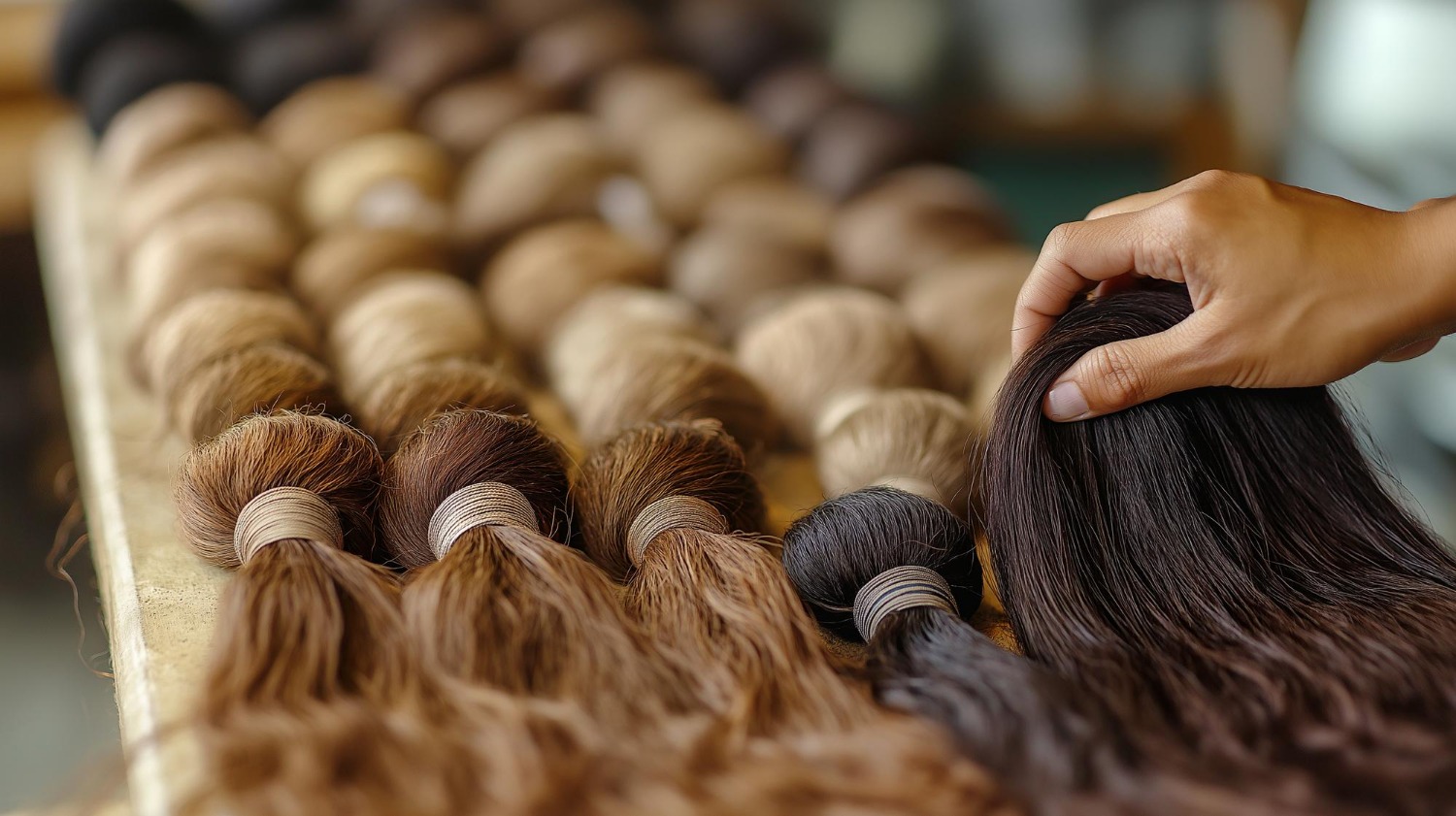
A human hair manufacturer is responsible for transforming raw human hair into finished products that meet market demands. The manufacturing process involves careful sourcing, sorting, processing, quality testing, and packaging.
Key Responsibilities of a Human Hair Manufacturer
- Sourcing authentic human hair
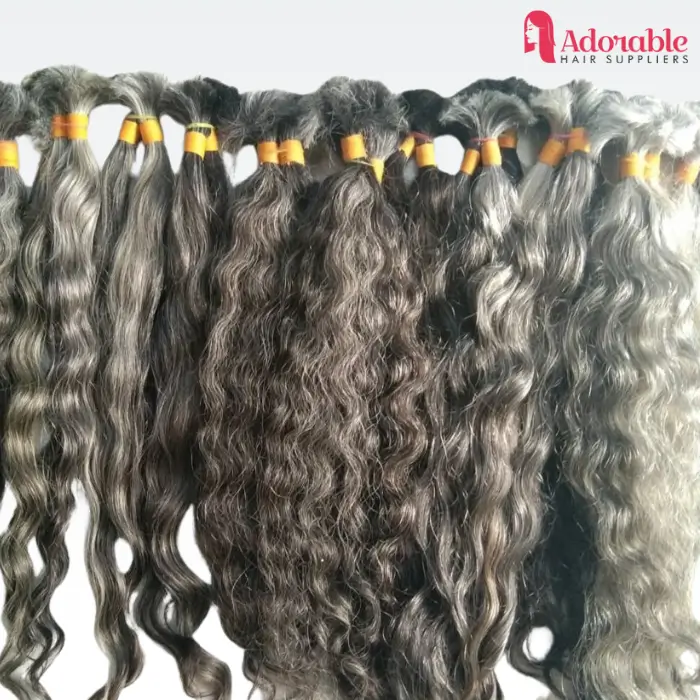
- Sorting hair by texture, length, and quality
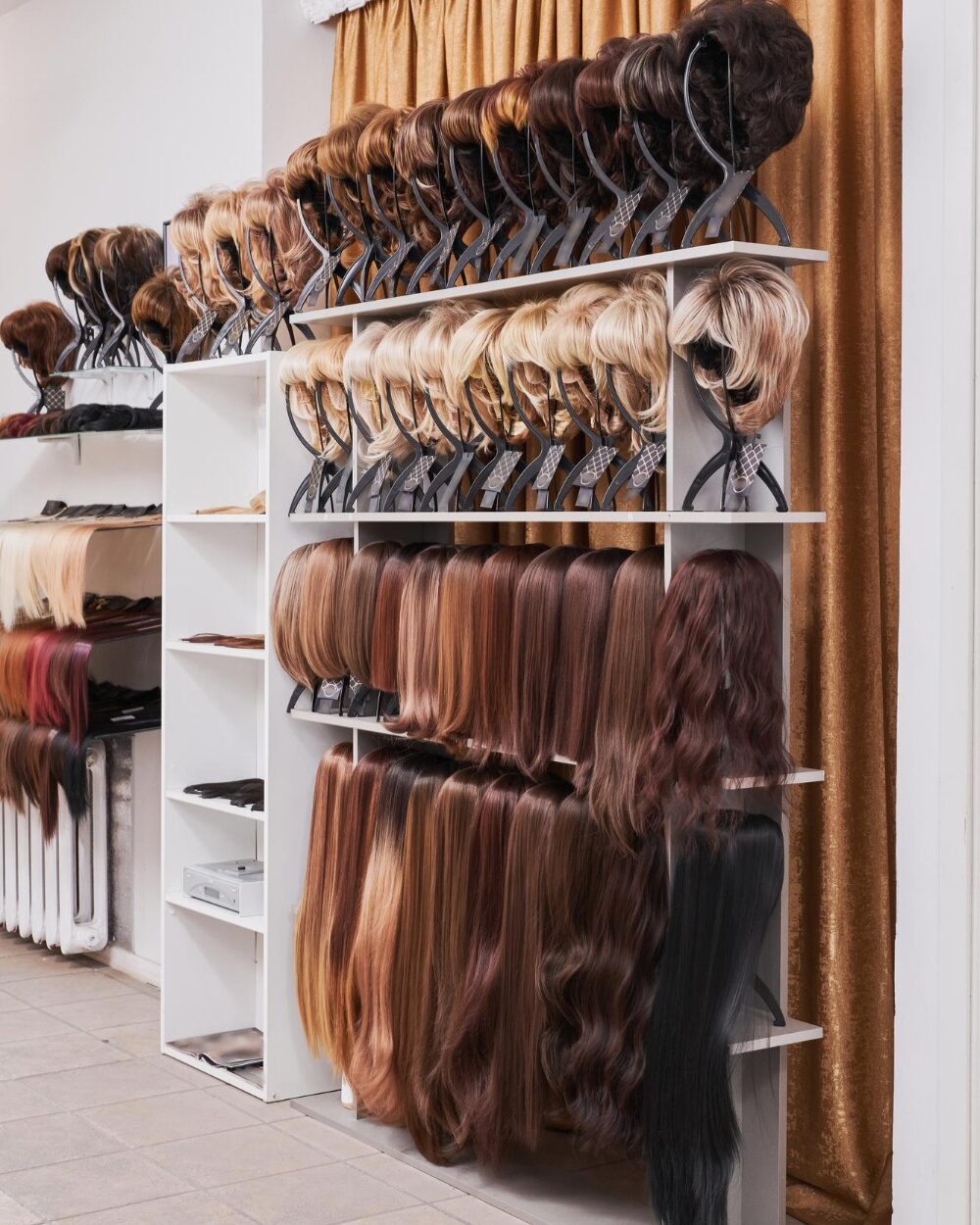
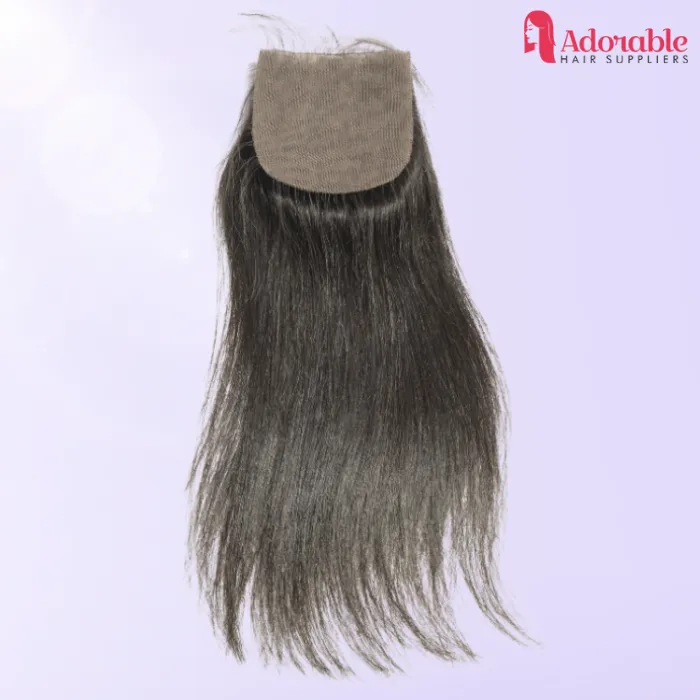
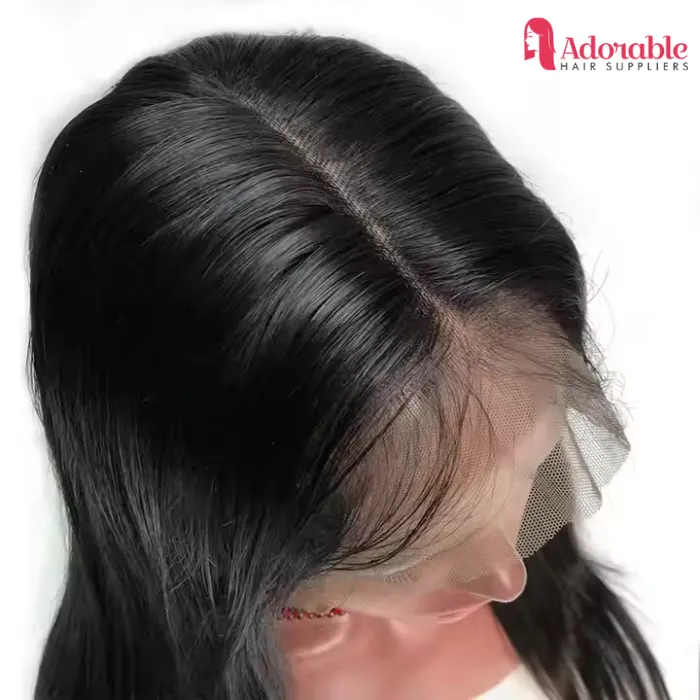
- Manufacturing hair extensions, wigs, closures, and frontals
- Conducting quality inspections
- Packaging products for domestic and international markets
- Supporting wholesale and bulk orders
Professional manufacturers maintain strict production standards to ensure consistency and reliability.
Why Is Raw Hair Selection Important?
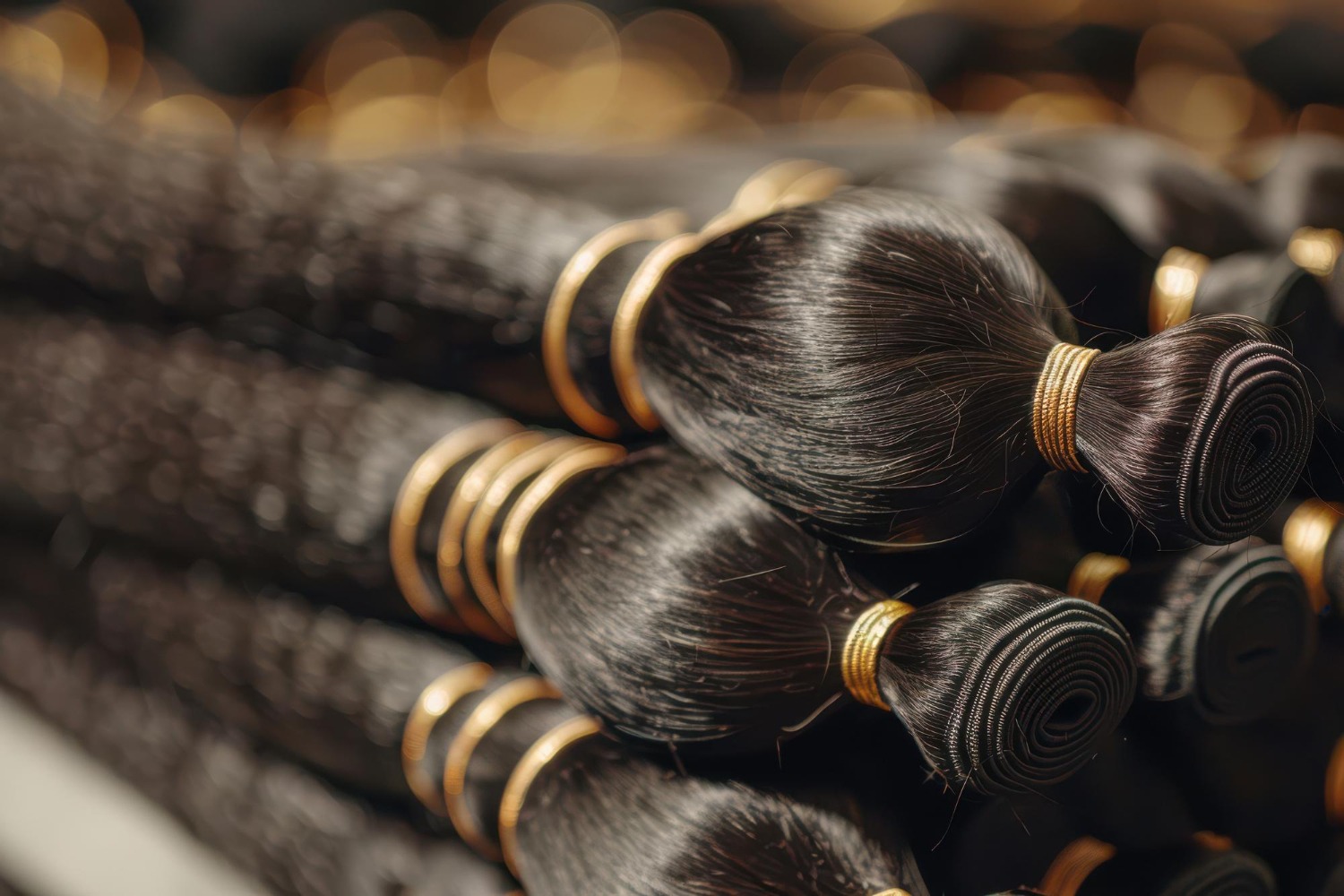
The foundation of every premium hair product starts with high-quality raw hair. Manufacturers carefully inspect and select hair based on several quality factors.
Benefits of Premium Raw Hair
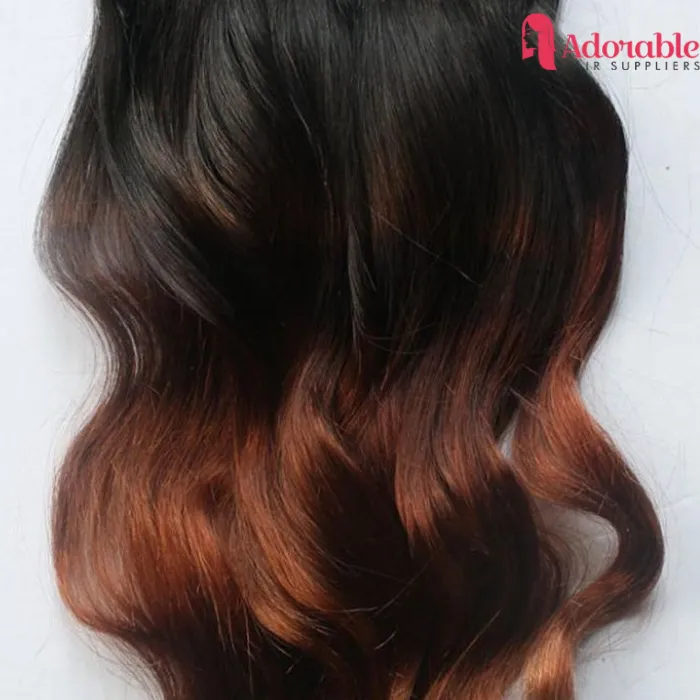
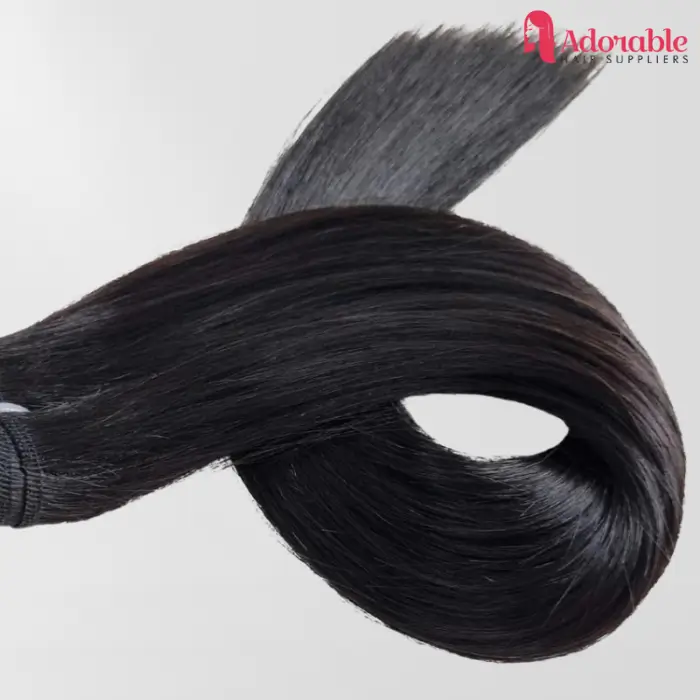
- Natural texture and appearance
- Strong and durable hair strands
- Minimal shedding and tangling
- Long-lasting performance
- Better styling flexibility
Choosing superior raw hair helps manufacturers create products that meet customer expectations and industry standards.
How Do Manufacturers Maintain Product Quality?
Quality control is one of the most important aspects of hair manufacturing. Reliable manufacturers implement multiple inspection stages throughout the production process.
Quality Assurance Practices
- Hair sorting and grading
- Texture consistency checks
- Length verification
- Strength and durability testing
- Hygiene and cleanliness inspections
- Final product evaluation before shipping
These processes help ensure that customers receive consistent, high-quality hair products.
What Benefits Do Businesses Gain from Working with Manufacturers?
Partnering directly with a human hair manufacturer offers several advantages for wholesalers, retailers, salons, and private-label brands.
Advantages of Direct Manufacturing Partnerships
- Competitive factory pricing
- Access to bulk inventory
- Custom product specifications
- Private labeling opportunities
- Consistent product quality
- Faster production and delivery timelines
Direct manufacturer relationships often provide greater flexibility and profitability for growing businesses.
How Can You Choose the Right Human Hair Manufacturer?
Selecting the right manufacturing partner requires careful evaluation of their capabilities, quality standards, and industry reputation.
Key Factors to Consider
- Product Quality – Assess samples for texture, durability, and authenticity.
- Manufacturing Experience – Choose manufacturers with extensive industry expertise.
- Quality Control Standards – Verify their inspection and testing procedures.
- Production Capacity – Ensure they can handle both small and large-volume orders.
- Customization Options – Look for private labeling and product customization services.
- Global Export Experience – Confirm their ability to manage international shipping requirements.
- Customer Support – Select a manufacturer with responsive communication and professional assistance.
- Ethical Sourcing Practices – Partner with companies committed to responsible hair sourcing.
Choosing a trusted manufacturer can help businesses maintain product quality, improve customer satisfaction, and achieve long-term growth.